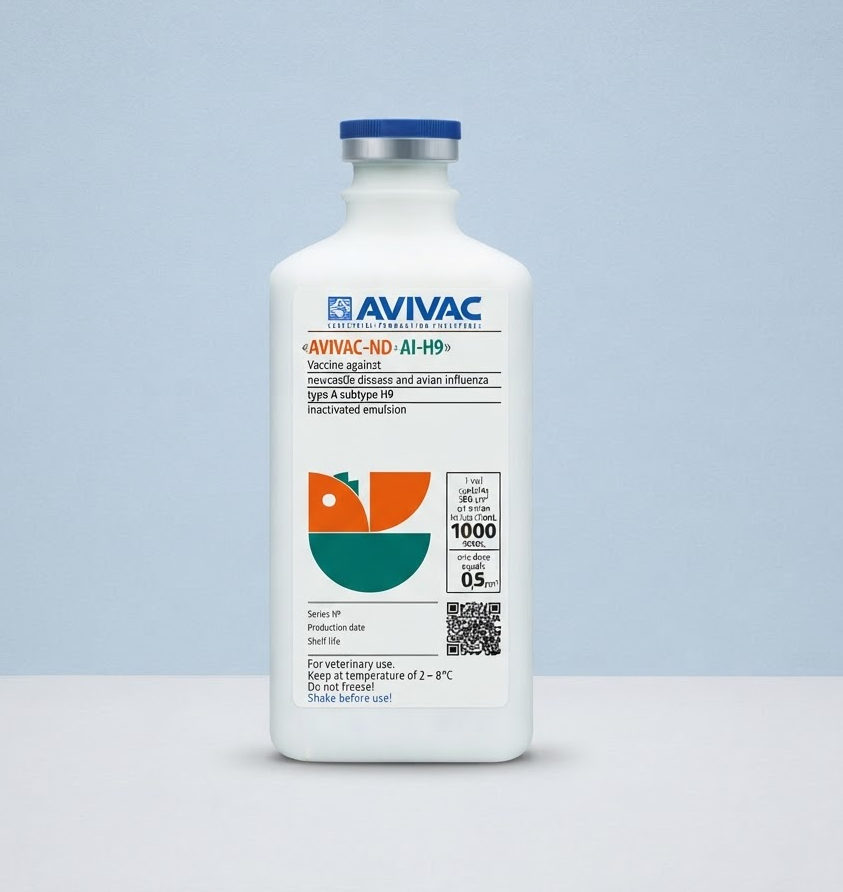
Avian influenza is caused by influenza A viruses. Low-pathogenicity and high-pathogenicity classifications require specific investigations and cannot be determined from clinical severity alone. Some viruses can infect mammals, including humans.
Agent and transmission
Virus spreads in infected birds’ secretions and excretions through water, feed, equipment, vehicles and direct contact. Wild waterfowl contribute to natural circulation. Breaches between wild and domestic bird populations can introduce infection.
Clinical signs and impact
Possible signs include respiratory disease, depression, reduced egg production, head swelling, comb discolouration, diarrhoea and neurological abnormalities. Highly pathogenic infection may cause sudden high mortality, although signs vary between bird species.
Diagnosis
Authorised laboratories confirm infection by RT-PCR and virus characterisation. Clinical signs cannot reliably distinguish it from Newcastle disease or other infections. Suspect birds should not be dissected or sampled independently without competent veterinary guidance.
Prevention and control
Suspected cases require immediate notification to the competent veterinary authority and restricted access pending instructions. Prevention combines biosecurity, avoidance of wild-bird contact and official control measures. Where vaccination is used, it must follow applicable requirements and does not replace surveillance.
This information is for reference. Diagnosis, prevention and treatment decisions require a veterinary assessment of the flock.
Source: WOAH. Reviewed on 21 October 2026.