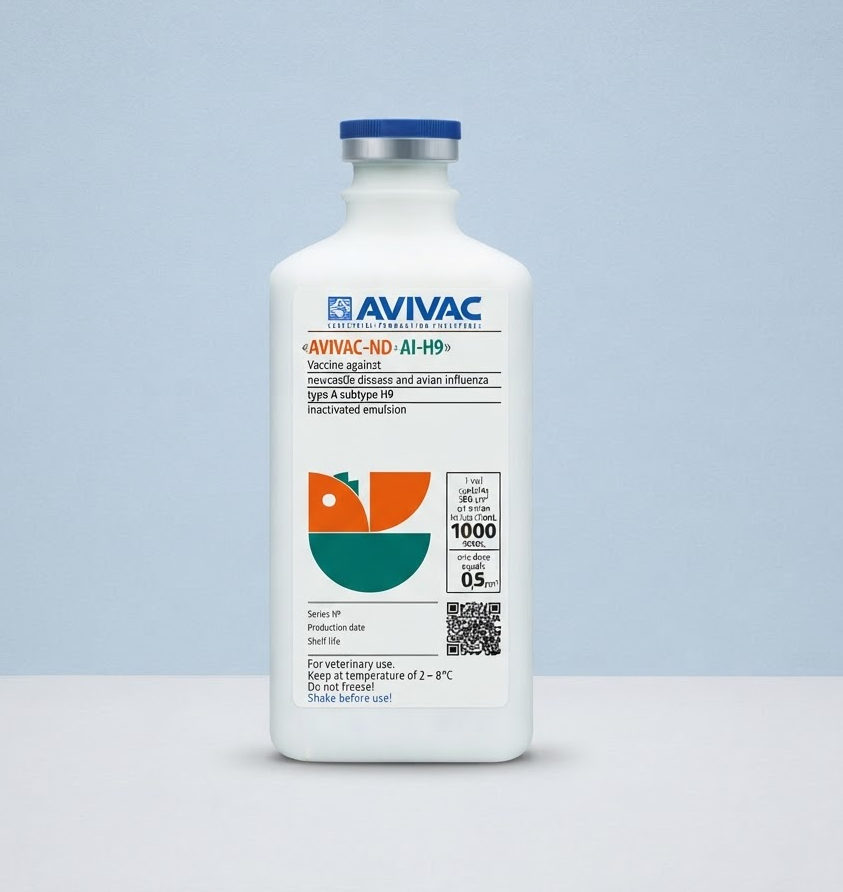
Newcastle disease is a highly contagious viral infection of birds caused by virulent Newcastle disease virus. It can affect the respiratory, digestive and nervous systems. Severity depends on the virus, the age of the birds and their immune status.
Agent and transmission
Infected birds shed virus in droppings and respiratory secretions. Infection spreads by direct contact and through contaminated water, feed, equipment, clothing and vehicles. Bird movements and contact with wild birds can introduce the virus.
Clinical signs and impact
Signs may include depression, loss of appetite, respiratory distress, diarrhoea, reduced egg production, incoordination and paralysis. Severe disease may cause sudden deaths. The absence of neurological signs does not rule out infection.
Diagnosis
Laboratory confirmation uses RT-PCR and, where required, virus isolation and characterisation. Clinical and postmortem findings must be interpreted together. Avian influenza and other respiratory infections are important differential diagnoses.
Prevention and control
Prevention combines biosecurity, movement control and a veterinarian-designed vaccination programme. Suspected cases require immediate contact with the competent veterinary authority. Investigations and control measures should follow its instructions.
This information is for reference. Diagnosis, prevention and treatment decisions require a veterinary assessment of the flock.
Source: MSD / Merck Veterinary Manual. Reviewed on 21 October 2026.